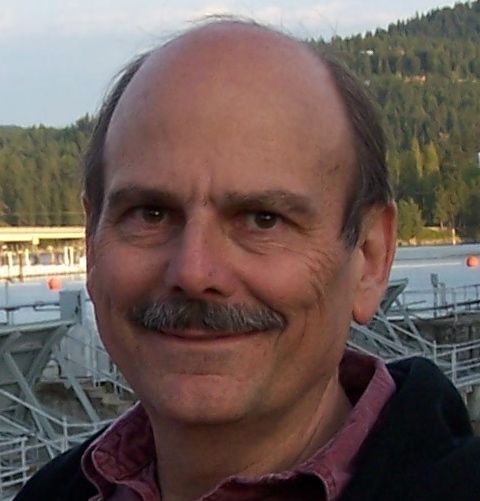
Living with chronic kidney disease? Discover the diet and lifestyle changes that helped me take control of my kidney health—and find hope again.
When I was first diagnosed with kidney disease, I was scared.
Really scared.
My kidney function wasn't where it should have been. My GFR was down to 38, and I was wondering what that meant for my future.
Would my kidneys continue to get worse? Would I eventually need dialysis? Was there anything I could do to help myself?
Maybe you've asked some of those same questions.
I remember asking my nephrologist how I could heal my kidneys naturally.
I still remember the look he gave me.
He explained that kidney disease was progressive and that damaged kidneys generally don't recover.
Now, I respected his medical knowledge. But I wasn't ready to sit back and do nothing.
I wanted to know what I could do to give my kidneys the best possible chance.
And that decision started me on a journey that changed the way I looked at my health.
Can You Improve Kidney Function Naturally?
That's one of the first questions I started researching.
And maybe it's what brought you here today.
Here's something important I discovered.
Although chronic kidney disease often involves permanent damage, there are proven ways to help protect remaining kidney function and slow its progression.
Things like managing blood pressure, eating appropriately, staying active, and controlling other health conditions can make a meaningful difference.
I began realizing that I had more opportunities to participate in my own healthcare than I originally thought.
That was encouraging.
Because when you've been told something is wrong with your kidneys, the last thing you want to feel is helpless.
My GFR Went From 38 to 59 in About Seven Months
This is the part of my story that still amazes me.
After learning more about kidney health, making changes to my eating habits, and working with my healthcare providers, my kidney function numbers began improving.
Over approximately seven months, my GFR increased from 38 to 59.
Later, it climbed above 60.
Now, I want to be very clear about something.
Those are my personal results. I can't say exactly how much any individual change contributed, and an improved GFR doesn't necessarily mean damaged kidneys have healed.
But seeing those numbers change was incredibly encouraging.
And something else happened that was every bit as important.
My fear began to be replaced by hope.
I no longer felt like I was simply waiting for bad news at my next appointment.
I was learning, taking action, and becoming more involved in my own health.
The Kidney Disease Diet: What I Learned About Food and Kidney Health
One of the biggest surprises on my journey was discovering how much attention I needed to pay to what I was eating.
I started reading food labels.
And I was amazed by how much added sugar and sodium were hiding in everyday foods.
Foods I'd been eating for years without giving them a second thought.
I also started learning about protein, potassium, phosphorus, and the importance of choosing foods that fit my particular kidney health needs.
Here's what I discovered.
There isn't one perfect kidney disease diet for everybody.
Your nutritional needs depend on your kidney function, lab results, medications, and other health conditions.
But understanding what you're eating is a pretty good place to start.
And that's something we can all do.
Foods to Avoid With Kidney Disease: Why One List Doesn't Fit Everyone
If you've searched online for foods to avoid with kidney disease, you've probably noticed something confusing.
One article tells you to avoid certain fruits.
Another recommends them.
One says to cut back on protein.
Another talks about eating more protein.
What's going on?
The answer is that kidney nutrition isn't one-size-fits-all.
For example, many people with kidney disease benefit from reducing sodium and limiting highly processed foods.
But whether you need to restrict potassium, phosphorus, or protein depends on your individual situation.
That's why I believe education is so important.
You want to understand the questions to ask your doctor or renal dietitian instead of blindly following a list you found online.
How I Discovered The Kidney Disease Solution
During my search for ways to support kidney function naturally, I came across a program called The Kidney Disease Solution, created by Duncan Capicchiano.
What caught my attention was its focus on nutrition, lifestyle, and taking a more active role in kidney health.
I wanted practical information.
I wanted to understand why certain habits mattered.
And most of all, I wanted to know what I could begin doing differently.
The program gave me a framework for thinking about those questions.
It encouraged me to look more carefully at my food choices, daily routines, and overall health.
And I appreciated having information I could work through at my own pace.
Watch Duncan's Free Kidney Health Presentation
Natural Ways to Support Kidney Health and Slow Kidney Disease Progression
One of the most valuable things I learned was that improving your daily habits doesn't have to mean changing everything overnight.
Sometimes it begins with small, consistent decisions.
Here are a few areas worth paying attention to:
1. Pay attention to your blood pressure.
High blood pressure can damage the kidneys, and managing it is one of the most important ways to help preserve kidney function.
2. Take a closer look at your diet.
Reducing excess sodium, choosing less processed food, and following a kidney-appropriate eating plan can support your overall health.
3. Understand your kidney function numbers.
Your eGFR and urine albumin results can help your healthcare team monitor kidney health. One number alone doesn't tell the whole story.
4. Stay physically active.
Regular movement can support blood pressure, cardiovascular health, and general well-being.
5. Be careful with supplements and medications.
Natural doesn't automatically mean safe for your kidneys. Some herbs, supplements, and over-the-counter medications can actually cause harm.
6. Keep learning and working with your healthcare team.
I believe this may be one of the most important steps of all.
The more I learned, the better prepared I felt to ask questions and make informed decisions.
None of these steps is a miracle cure.
But they're meaningful ways to take an active role in your health.
Why I Recommend The Kidney Disease Solution
I'm not a doctor.
I'm someone who has lived with the fear and uncertainty of kidney disease.
And I know how overwhelming it can feel when you're first trying to understand what comes next.
That's why I wanted to share this resource.
The Kidney Disease Solution explores nutrition, food choices, lifestyle habits, and other approaches to kidney health.
What appealed to me was having information organized into a program instead of trying to piece everything together from dozens of websites.
I found it helpful in my own journey.
That doesn't mean the program is a proven treatment for chronic kidney disease, or that everyone will experience the improvements I did.
It should be considered an educational resource alongside—not instead of—appropriate medical care.
But if you're interested in learning more about kidney-friendly habits and taking a more active role in your health, I believe it's worth investigating.
Discover The Kidney Disease Solution — Watch the Free Presentation
Is It Possible to Slow Kidney Disease Progression?
Yes. There are evidence-based medical treatments and lifestyle changes that can slow kidney disease progression in many people.
That doesn't mean every case can be reversed.
And it doesn't mean the same approach works for everyone.
But it does mean there are worthwhile conversations to have with your healthcare providers and actions you can take.
I wish I'd understood that more clearly when I first received my diagnosis.
It would have saved me a lot of worry.
Instead, I spent time wondering what was going to happen to me.
Today, I'd rather spend that time asking a different question:
What can I do today to give myself the best chance for a healthier tomorrow?
That's a question worth asking.
Take a Few Minutes to Hear What Duncan Has to Say
You don't have to make any decisions right now.
And you certainly don't have to take my word for it.
I encourage you to watch Duncan Capicchiano's free presentation about The Kidney Disease Solution.
Learn what his program covers.
Consider the information carefully.
Discuss any changes you're considering with your healthcare team.
Then decide whether it's something that might be useful to you.
Watch the Free Kidney Disease Solution Presentation
My Final Thoughts: Don't Give Up on Your Kidney Health
If there's one thing I'd like you to take away from my story, it's this:
A kidney disease diagnosis doesn't mean you have to stop taking an active role in your future.
I know what it's like to receive frightening news.
I know what it's like to wonder whether things will ever get better.
And I know how encouraging it can be to discover that there are meaningful steps you can take.
My GFR went from 38 to 59 in about seven months and later rose above 60.
I can't promise that will happen to you.
But I can encourage you to keep learning, keep asking questions, and keep working toward the healthiest future possible.
If you'd like to learn about the program that became part of my journey.
Watch the Free Kidney Disease Solution Presentation
I sincerely hope you find something useful in it.
To your health,
Doug Smoot
Additional Kidney Health Resources
I believe the more we understand about our kidneys, the better prepared we are to make informed decisions about our health.
If you'd like to learn more about kidney disease, nutrition, and protecting your kidney function, here are two trusted resources I encourage you to explore.
Learn about chronic kidney disease, kidney function tests, symptoms, nutrition, and available treatments.
National Institute of Diabetes and Digestive and Kidney Diseases (NIDDK)
Explore research-based information about managing kidney disease, including lifestyle changes and ways to slow its progression.
Remember, everyone's kidney health situation is different. Always work with your healthcare provider before making significant changes to your diet, medications, or treatment plan.
Medical disclaimer: This page shares a personal experience and general educational information. It is not medical advice. Chronic kidney disease requires appropriate medical evaluation and management. Do not stop prescribed treatments or make significant dietary, supplement, or medication changes without consulting your healthcare professional.
Affiliate disclosure: This page contains affiliate links. If you purchase through one of these links, I may earn a commission at no additional cost to you.

© Copyright 2026. All rights reserved.